Proses Otomasyon Sistemleri

Kontrol Otomasyon Beyaz

Data Monitoring and Reporting

Production Data. Clearer Decisions

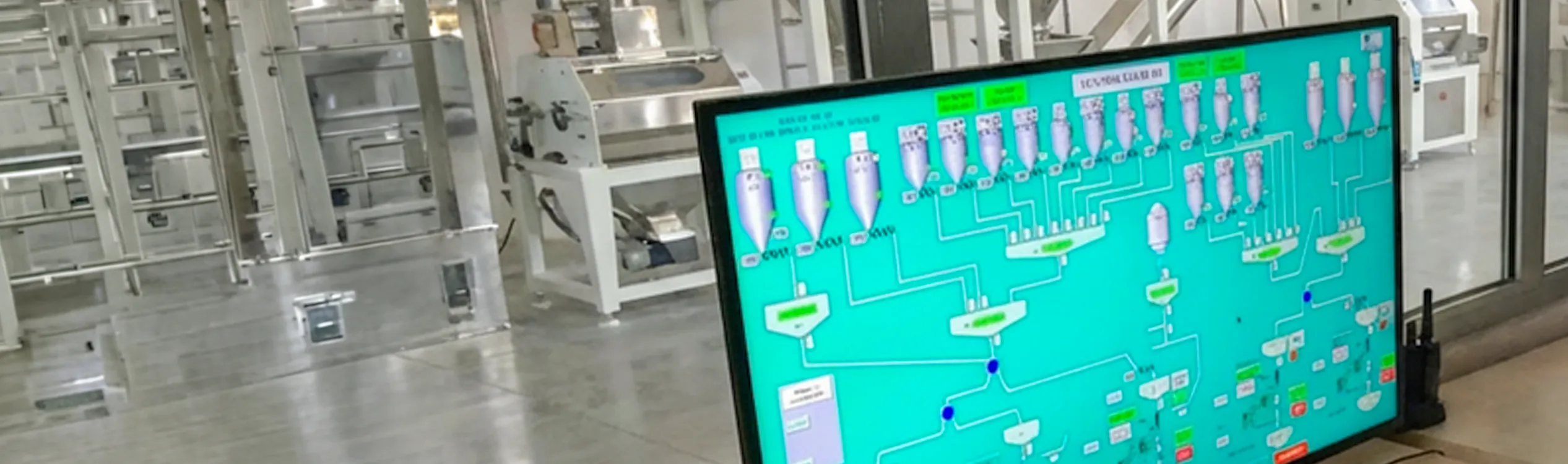
VOLDE Data Monitoring and Reporting solutions transform process data generated by automation systems into structured, accessible and actionable information. Weighing results, material consumption, batch records, alarms, equipment states and production parameters are collected within a common data architecture and presented through reports, trends and dashboards. This provides a reliable digital record of the production process while giving operators, engineers and management teams a clearer view of what is happening on the plant floor.

| Production Performance & Process Analysis

Production data becomes valuable when it can be interpreted in the context of the actual process. VOLDE reporting systems organize operational data around batches, recipes, production lines and equipment so that performance can be evaluated beyond simple production totals.

Actual versus target weighing values can be compared, raw material consumption can be analyzed by recipe or batch, and process deviations can be identified through historical data. Alarm and downtime records provide additional insight into recurring interruptions, while line and equipment data can be used to evaluate utilization, cycle times and production performance.

Where required, OEE and other plant-specific KPI structures can be developed using the available production and equipment data.

Production Analytics

 • Batch and recipe-based production reporting
 • Target versus actual weighing analysis
 • Raw material consumption and usage reporting
 • Dosing deviation and process-performance analysis
 • Production quantities and cycle-time monitoring
 • Line and equipment utilization
 • Alarm, downtime and interruption analysis
 • Historical trends and comparative reporting
 • OEE and application-specific KPI calculations
 • Configurable management and production dashboards

| Traceability & Production History

For quality-sensitive processes, knowing what was produced is not enough. It must also be possible to determine which raw materials were used, in what quantities, under which recipe and process conditions, and at what time.

VOLDE creates a structured production history by linking batch records with material, recipe and process data. Raw material identification can be supported by barcode, QR code or RFID technologies, allowing material movements and consumption to be associated with the relevant production batch.

Recipe revisions, operator actions, weighing records and critical process values can be stored together with the batch record, providing a reliable basis for quality investigations, deviation analysis and product recall procedures.

Traceability Functions.

 • Lot and batch-based production records
 • Raw material source and consumption tracking
 • Barcode, QR code and RFID integration
 • Recipe version and revision history
 • Actual weighing and dosing records
 • Operator action and event logging
 • Critical process parameter history
 • Time-stamped production records
 • Retrospective batch analysis
 • Data support for quality and recall procedures

| Connected Production Data

Production information should not remain isolated within the automation system. VOLDE data infrastructure enables process and production data to be exchanged with higher-level business and manufacturing systems, creating a continuous information flow between the plant floor and enterprise applications.

SQL-based databases can be used for structured data collection, long-term archiving and reporting, while OPC UA and industrial communication standards provide standardized connectivity with other automation platforms. Where required, APIs can be developed for integration with external applications and customized reporting environments.

ERP and MES integration can enable recipe, production order and material information to move between systems while returning actual production, consumption and batch results to the business layer.

Data Integration & Digital Infrastructure

 • ERP and MES integration
 • SQL-based data collection and archiving
 • OPC UA and industrial communication interfaces
 • API-based data exchange
 • Production-order and recipe data transfer
 • Actual production and consumption feedback
 • Centralized dashboards and reporting
 • Historical data access
 • Remote production monitoring
 • Scalable data architecture for future system expansion

| Contact

Let us understand your process and work together to implement the most accurate and reliable solution for your needs.